
Why Powell Peralta Is One of Skateboarding’s Most Iconic Brands
Some skateboard brands come and go with trends. Others become part of the culture itself. Powell Peralta sits firmly in the second category. Even if you’re relatively new to skateboarding, chances are you’ve seen the famous skull-and-sword logo somewhere - on a deck graphic, a hoodie, a sticker, or probably on the back of someone’s car. It’s one of those brands that has quietly shaped skateboarding for decades without losing the spirit that made people care about it in the first place.
The story starts back in the late 1970s when George Powell, an aerospace engineer with a knack for materials and design, teamed up with skater Stacy Peralta. At the time skateboarding was still finding its feet as a culture and an industry. Boards were evolving quickly, styles were changing, and riders were experimenting with what skateboarding could actually become. Powell and Peralta combined technical innovation with a deep connection to the skate scene, and the brand quickly became one of the most influential forces in the sport.
One of the biggest reasons Powell Peralta became legendary was the team they built. In the early 1980s the brand assembled a group of young riders that would go on to define a generation of skateboarding: the Bones Brigade. The team included names that are now almost mythical within skate culture - Tony Hawk, Rodney Mullen, Steve Caballero and Lance Mountain among them. At a time when skate videos were just beginning to take off, the Bones Brigade videos introduced thousands of people to skateboarding and showed what was possible on a board. For many skaters, those videos were the spark that made them want to start riding in the first place.
Alongside the team came some of the most recognisable skateboard graphics ever created. Artists like Vernon Courtlandt Johnson designed deck artwork that was bold, weird, funny and sometimes a little bit unhinged in the best possible way. The famous Skull and Sword graphic, the Ripper logo and a whole catalogue of iconic designs helped cement Powell Peralta’s place in skate history. These graphics weren’t just decoration - they became symbols of the culture itself, turning skateboards into rolling pieces of art.
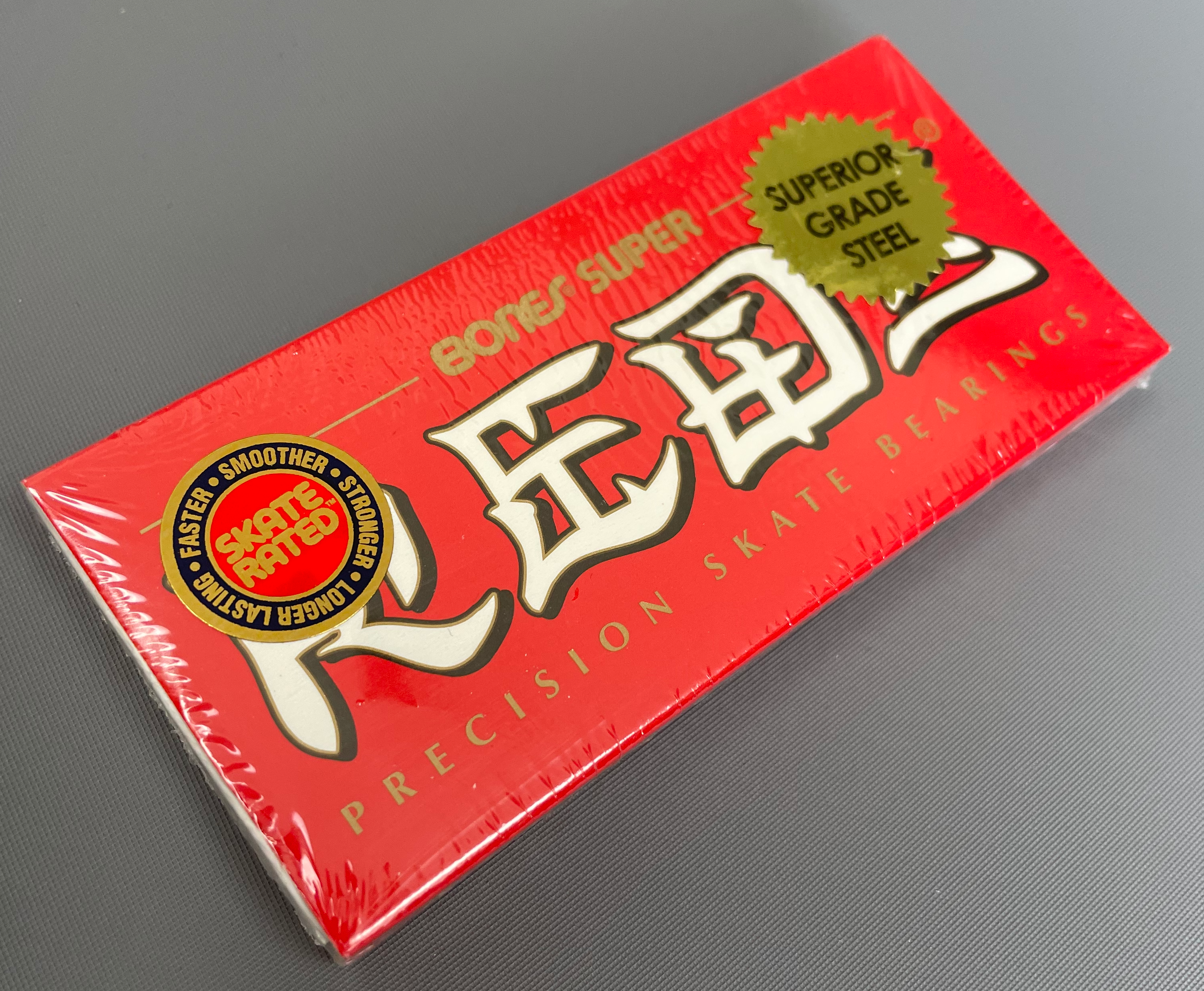
Of course, graphics alone wouldn’t have been enough if the boards didn’t ride well. Powell Peralta also pushed innovation in skateboard construction and hardware. Their work with urethane formulas and bearing technology helped improve performance across the industry, while the introduction of Bones bearings and wheels gave skaters products that were faster, smoother and more durable than much of what had come before. Many of those designs are still widely used today, which says a lot about how far ahead of the curve the brand often was.
What makes Powell Peralta particularly interesting today is how it bridges the past and the present. The brand continues to produce modern decks and components that work perfectly for today’s skateboarding, but it also celebrates its history through reissues of classic shapes and graphics. For older skaters, those reissues are pure nostalgia. For younger riders, they’re a chance to ride a piece of skate history while still having a board that performs properly.
Walk into almost any skatepark and you’ll probably still see a Powell graphic rolling past at some point. That kind of staying power isn’t easy to achieve in skateboarding, where trends move quickly and new brands appear every year. Powell Peralta has managed it by staying connected to the culture while continuing to produce gear that people genuinely want to skate.
At Wobble we’re big fans of brands that have helped shape the scene, and Powell Peralta is a perfect example. Whether you’re drawn to the iconic graphics, the history behind the brand, or just the fact that the decks ride beautifully, there’s something about Powell boards that still feels special. Some skate brands chase hype. Powell Peralta earned its reputation the long way - by being part of skateboarding’s story from the beginning.