
What Size Skateboard Should I Ride?
If you’re getting into skateboarding - or even if you’ve been skating a while and are thinking about changing your setup - one of the most common questions is surprisingly simple: what size skateboard should I ride? Walk into a skate shop and you’ll see decks that look almost identical at first glance, but the width numbers printed on them vary quite a bit. 8.0, 8.25, 8.5, sometimes even wider. It’s easy to assume there must be a perfect formula based on height, shoe size or some mysterious skater maths.
The reality is much less complicated. There isn’t a single “correct” skateboard size, but there are sizes that tend to feel better depending on how you skate, where you skate and what feels comfortable under your feet. Once you understand the basics of deck sizing, choosing the right board becomes much easier.
What Does Skateboard Size Actually Mean?
When skaters talk about skateboard size, they’re usually talking about deck width, measured in inches across the widest part of the board. Most modern street skateboards fall somewhere between 8.0 inches and 8.5 inches wide, though there are boards both narrower and wider than that.
A small difference in width might not sound like much, but it can noticeably change how a board feels. Narrower boards tend to flip faster and feel lighter, while wider boards offer more stability and a larger platform for your feet. It’s a bit like choosing between a nimble sports car and a slightly bigger vehicle that feels more planted on the road.
Do Bigger Feet Mean a Bigger Board?
One of the most common pieces of advice beginners hear is that board size should match shoe size. There is some logic to that idea - someone with larger feet might feel more comfortable standing on a slightly wider deck - but it’s not a strict rule.
Plenty of skaters with big feet ride relatively narrow boards because they prefer the quick response when doing flip tricks. At the same time, many smaller riders enjoy the stability of a wider board. Shoe size can be a useful starting point, but it shouldn’t dictate your choice entirely. Comfort and riding style matter far more.
Why Do Street Skaters Often Ride Narrower Decks?
Street skating tends to involve a lot of technical tricks - kickflips, heelflips, shove-its and combinations where the board needs to rotate quickly beneath your feet. Narrower decks are often preferred in this style of skating because they’re lighter and easier to flip.
Boards around 8.0 to 8.25 inches have become very common for street setups because they strike a balance between stability and quick response. Many skaters find this range comfortable when skating ledges, rails and flatground tricks.
Brands like Toy Machine produce a huge variety of decks in this size range, which is one reason they’re so commonly seen in street setups.
Why Do Some Skaters Prefer Wider Decks?
Wider boards have become more popular in recent years, particularly among skaters who enjoy transition skating, bowls and cruising. A wider deck gives your feet more space and can feel more stable when carving at speed or landing bigger tricks.
Boards around 8.25 to 8.5 inches are now extremely common for all-round skating. They’re wide enough to feel solid under your feet but still responsive enough for technical tricks. For many skaters, this range hits the sweet spot between stability and control.
Some classic brands like Powell Peralta even produce wider reissue shapes inspired by earlier eras of skateboarding, where boards were often bigger and more directional.
Does Skateboard Size Affect Trucks and Wheels?
Yes - your deck size usually influences the rest of your setup as well. Trucks should roughly match the width of your deck so that your wheels sit neatly underneath the board. If your trucks are too narrow or too wide, the board can feel awkward or unstable when turning.
Wheels aren’t affected by deck width quite as directly, but different setups tend to pair certain wheel sizes with certain styles of skating. Street skaters often use slightly smaller wheels, while riders who skate rough ground or bowls sometimes prefer larger ones for smoother rolling.
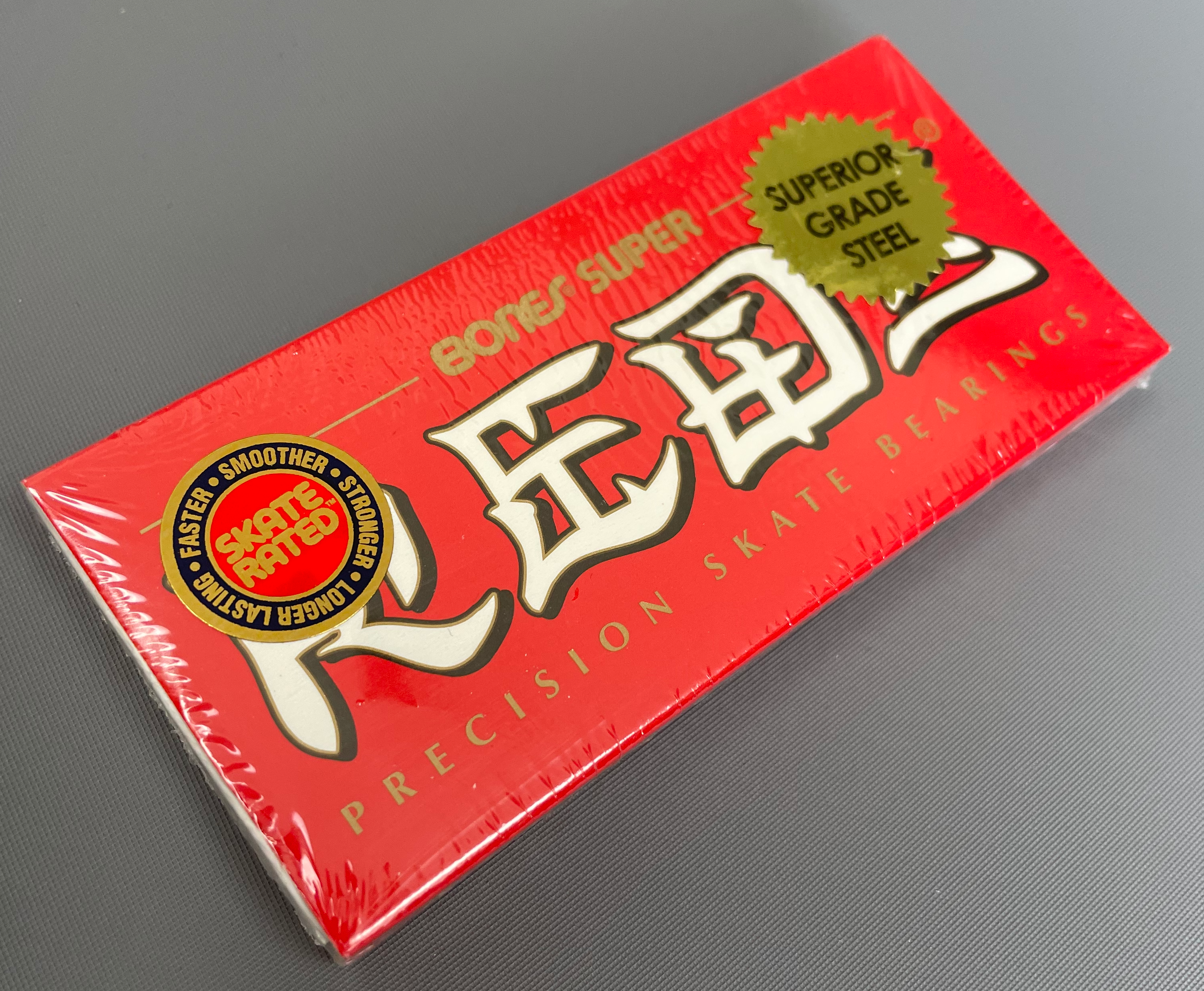
Bearings, like the well-known models from Bones, fit into almost any standard skateboard wheel, so they’re one of the few parts of a setup that don’t really depend on deck size.
Is There a “Best” Skateboard Size for Beginners?
If you’re completely new to skateboarding, something around 8.0 to 8.25 inches wide is usually a safe starting point. That range is versatile enough for most styles of skating and comfortable for a wide range of riders.
As you spend more time skating, you’ll naturally start to notice what feels good and what doesn’t. Some skaters eventually move to narrower decks for faster flip tricks, while others go wider for stability and control. Your setup evolves as your skating evolves.
The Truth: The Best Size Is the One That Feels Right
At the end of the day, the best skateboard size isn’t determined by charts or strict rules. It’s determined by how the board feels when you ride it. Skateboarding has always been about personal style, and your setup is part of that expression.
Some riders stick with the same width for years because it feels perfect. Others experiment with different sizes depending on what kind of skating they’re doing. There’s no wrong answer as long as the board encourages you to get outside and ride.
At Wobble we’re big fans of the “try it and see” approach. Start with a solid all-round size, build a setup you’re excited about, and let your skating guide the next decision. After all, the best skateboard is the one that keeps rolling - preferably towards the nearest curb, ledge or empty car park.